
Did you know most Americans don’t get enough important nutrients like fiber, calcium, and vitamin D? The Dietary Guidelines for Americans say many people need to eat more of these nutrients.
Starting a nutritious diet is easy. Small changes can make a big difference. Eating whole foods and avoiding processed ones is key to a balanced diet.

Eating more fruits, veggies, whole grains, and lean proteins can boost your health. This article will share easy tips for a healthy eating lifestyle.
Key Takeaways
- Understanding the importance of a balanced diet
- Identifying key nutrients that are often lacking
- Simple strategies for incorporating more nutrients into your diet
- Practical tips for maintaining a nutritious lifestyle
- The benefits of focusing on whole, unprocessed foods
The Foundations of Healthy Eating
Starting a journey to nutritious living means learning the basics of healthy eating. A healthy diet includes a variety of foods and drinks. It should match your tastes, cultural background, and budget.
Understanding Nutritional Balance
Nutritional balance is key. It means eating the right amounts of essential nutrients. This balance is vital for staying healthy.
Essential Nutrients Your Body Needs
The body needs many nutrients to function well. These include vitamins, minerals, proteins, healthy fats, and carbs. Key nutrients are:
- Vitamin D for bone health
- Omega-3 fatty acids for heart health
- Fiber for digestive health
Caloric Needs and Energy Balance
Caloric needs change with age, gender, and activity level. Keeping energy balance is key for a healthy weight.
The Impact of Diet on Overall Health
A balanced diet greatly affects your health. It boosts energy, mental clarity, and lowers disease risk.
Setting Realistic Dietary Goals
Setting realistic dietary goals is essential for lasting success. It means making small changes to your diet and being mindful of what you eat.
By focusing on wholesome meals and practicing mindful nutrition, you can improve your relationship with food.
Building a Balanced Plate
Achieving nutritional balance starts with the composition of your meal plate. A balanced diet is key for your health and well-being.
The Ideal Macronutrient Ratio
The ideal macronutrient ratio balances proteins, carbohydrates, and healthy fats. This balance ensures your body gets the nutrients it needs.
Proteins: Building Blocks for Health
Proteins are vital for building and repairing tissues. Including a variety of protein sources like lean meats, fish, and plant-based options is important.
Carbohydrates: Choosing Quality Sources
Carbohydrates are a main energy source. Whole grains, fruits, and vegetables are good sources that also offer fiber and nutrients.
Healthy Fats: Essential for Wellness
Healthy fats are important for brain function and vitamin absorption. Nuts, seeds, avocados, and olive oil are great sources.
Portion Control Techniques
Understanding portion control is key for a balanced diet. Using smaller plates and measuring portions helps manage food intake.
| Food Group | Recommended Daily Intake | Examples |
| Proteins | 15-20% of daily calories | Lean meats, fish, beans |
| Carbohydrates | 45-65% of daily calories | Whole grains, fruits, vegetables |
| Healthy Fats | 20-35% of daily calories | Nuts, seeds, avocados, olive oil |
Visual Guides for Meal Planning
Visual guides make meal planning easier by showing what a balanced meal looks like.

Dividing your plate into sections for different food groups helps ensure a balanced mix of nutrients.
Incorporating Whole Foods Into Your Diet
Adding whole foods to your meals can greatly improve your health. These foods are unprocessed and full of nutrients that processed foods often lack. Eating whole foods boosts your nutritional intake.
Benefits of Unprocessed Foods
Unprocessed foods are packed with nutrients and lower disease risks. They are full of vitamins, minerals, and antioxidants. Switching to whole foods can boost your energy, improve digestion, and strengthen your immune system.
Transitioning Away From Processed Options
Switching to whole foods means being careful about what you buy and eat. Start by reading labels to spot hidden processed ingredients.
Reading Labels to Identify Hidden Processed Ingredients
When you shop, always check the ingredient list on food labels. Avoid added preservatives, sugars, and unhealthy fats. Opt for products with fewer ingredients for better health.
Healthier Alternatives to Common Processed Foods
Choosing whole foods over processed ones is a smart move for a healthier diet. For instance, pick whole grain bread over white bread, and fresh fruits over canned ones. Here are some good swaps:
- Whole grain pasta instead of regular pasta
- Fresh vegetables instead of frozen meals
- Homemade snacks instead of packaged chips
| Processed Food | Healthier Alternative | Benefits |
| White Rice | Brown Rice | Higher in fiber, richer in nutrients |
| Canned Soup | Homemade Soup | Lower in sodium, higher in vitamins |
| Processed Snacks | Nuts and Seeds | Rich in healthy fats, protein, and fiber |
Budget-Friendly Whole Food Shopping
Eating whole foods doesn’t have to cost a lot. Plan your meals, buy in bulk, and choose seasonal produce. Try shopping at local farmers’ markets or join a CSA program.
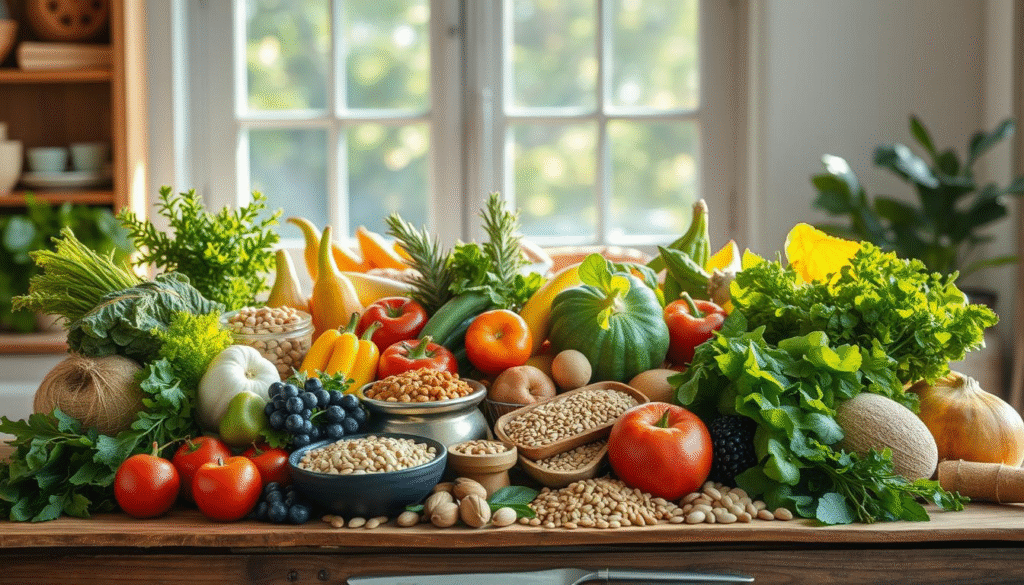
By following these tips, you can enjoy whole foods without spending too much. Begin with small changes and gradually move towards a diet full of whole, unprocessed foods.
Practical Healthy Eating Strategies for Busy Lives
Busy lives don’t mean you have to skip healthy eating. A few simple strategies can help you eat well even on hectic days.
Meal Prepping Fundamentals
Meal prepping is a lifesaver for busy people. It means preparing meals or ingredients ahead of time to save time later.
Time-Saving Preparation Techniques
Efficient meal prepping involves techniques like batch cooking. This means cooking large amounts of one ingredient, like rice, to use all week.
- Cook proteins like chicken or beans in bulk.
- Roast a variety of vegetables at once.
- Prepare individual portions to grab on the go.
Storage Solutions for Freshness
Keeping prepped meals fresh is key. Use airtight containers and think about getting a vacuum sealer to keep food fresh longer.
“The key to successful meal prep is planning and organization. By dedicating a few hours on the weekend to meal prep, you can save time and stress during the week.”
Healthy Cooking Methods
Choosing healthy cooking methods boosts your meal’s nutritional value. Steaming, grilling, and stir-frying are quick and keep nutrients in your food.
| Cooking Method | Nutritional Benefit | Time Efficiency |
| Steaming | Retains vitamins and minerals | Quick, typically 5-10 minutes |
| Grilling | Reduces fat content | Fast, usually 3-5 minutes per side |
| Stir-frying | Preserves crunch and nutrients | Very quick, often 3-5 minutes |
Managing Eating Out and Social Situations
Eating out or going to social events doesn’t have to ruin your healthy eating plans. Plan ahead, choose wisely, and watch your portion sizes for a healthier experience.

By using these strategies, you can keep your diet balanced and nutritious even when life gets busy.
Hydration and Its Role in Nutrition
Drinking enough water is key to staying healthy and balanced. Water helps with digestion, nutrient absorption, and blood flow.
Water Intake Guidelines
Most people need at least eight glasses of water a day. But, your needs can change based on how active you are, the weather, and your health. Drinking water all day is important to stay hydrated.
Healthy Beverage Choices
Water isn’t the only good drink. Low-fat milk, unsweetened tea, and 100% fruit or vegetable juice are also great. They help you stay hydrated and add extra nutrients.
Signs of Dehydration and Solutions
Dehydration signs include dry mouth, feeling tired, and dizzy. To stay hydrated, drink water often, more so when you’re active or it’s hot outside. Eating hydrating foods like watermelon and cucumbers can also help.
By focusing on hydration and choosing the right drinks, you can boost your nutrition and health.
Mindful Eating Practices
In today’s fast world, mindful eating is key. It means listening to your body’s hunger and fullness signals. It also means enjoying your food slowly and fully. This approach can make your diet more balanced and your food relationship healthier.
Techniques for Eating With Awareness
To eat mindfully, first, remove distractions like TV or phones during meals. Chew slowly and really taste your food. Savoring each bite makes meals more enjoyable and helps you appreciate wholesome meals.
“The way we eat our food is a statement about our relationship with ourselves and the world around us.” – Unknown
Breaking Emotional Eating Patterns
Overcoming emotional eating is tough, but possible. Being aware of your feelings and why you eat can help. Keeping a food diary can spot patterns and triggers.
| Emotional Triggers | Mindful Eating Strategies |
| Stress | Practice deep breathing before eating |
| Boredom | Engage in a hobby or activity before reaching for food |
Creating a Positive Relationship With Food
Building a good food relationship means it’s okay to enjoy food sometimes. It’s a source of nourishment and joy. By practicing mindful eating, you can have a healthier and more positive food relationship.

Navigating Food Labels and Making Informed Choices
Food labels are key to healthier eating. But, you must know how to read them. It’s important to understand the info on food packaging to make smart choices.
Decoding Nutrition Facts Panels
The nutrition facts panel is a great tool for knowing what’s in your food. To use it well, focus on two main things: serving sizes and added sugars.
Understanding Serving Sizes
Serving sizes help compare foods. But, make sure to check the serving size on the label. This ensures you know how much you’re really eating.
Identifying Added Sugars
Added sugars are important on the nutrition facts panel. The Dietary Guidelines say to keep added sugars under 10% of your daily calories. Look for “Total Sugars” and “Added Sugars” to choose wisely.
Understanding Ingredient Lists
Ingredient lists show what’s in your food. Ingredients are listed by weight, so the first ones matter most. Watch out for unhealthy additives and artificial ingredients in your food.
- Choose products with fewer ingredients.
- Opt for products with recognizable ingredients.
- Beware of added preservatives and flavor enhancers.
Recognizing Marketing Claims vs. Reality
Marketing claims on food labels can be tricky. Terms like “natural” or “healthy” aren’t always regulated. To make smart choices, look beyond the claims. Check the nutrition facts panel and ingredient list instead.
Learning to read food labels well helps you make choices that support healthy eating and a clean eating lifestyle. This leads to a nutritious diet.
Special Dietary Considerations
Understanding special dietary needs is key as we explore nutrition. Our lifestyles, health, and age shape our nutritional needs. It’s vital to find a diet that fits our unique needs.
Plant-Based Eating Approaches
Plant-based diets are popular for their health and environmental perks. A well-thought-out plant-based diet can meet all nutritional needs. It’s important to eat a variety of foods like fruits, veggies, whole grains, and legumes.
Managing Food Sensitivities and Allergies
Food sensitivities and allergies need careful handling. Finding out which foods trigger reactions and reading labels are key steps. Finding substitutes can help keep your diet balanced.
Nutritional Needs Across Different Life Stages
Nutritional needs change as we age. For example, older adults might need more calcium and vitamin D. Pregnant women need more folic acid. Knowing these needs helps tailor our diets.
| Life Stage | Nutritional Needs |
| Pregnancy | Folic acid, iron, calcium |
| Older Adults | Calcium, vitamin D, protein |
| Children | Protein, healthy fats, vitamins |
Conclusion: Sustaining Your Healthy Eating Journey
As we wrap up our look at healthy eating, remember it’s all about long-term commitment. Keeping up with healthy eating means more than quick fixes. It’s about sticking to balanced nutrition and wholesome meals for good.
We’ve talked about many ways to eat healthier, from knowing what nutrients you need to adding whole foods to your meals. The secret to success is making changes that last and improve your health.
To keep going, set realistic dietary goals and celebrate your wins. Also, pay attention to how you eat and drink plenty of water. These steps are key to a successful healthy eating journey.
By sticking to these tips and focusing on balanced nutrition, you’ll see the benefits of a healthy diet for years to come. This includes better health and feeling your best.
In short, a healthy eating journey is a long-term effort that needs patience, dedication, and the right approach. By using the advice from this article, you can get a diet that’s both balanced and nutritious. This will help you reach your health goals.
Sources
Looking for tips on healthy eating? Check out these trusted sources.
They offer great advice on eating right and keeping your diet clean.
- Healthline Nutrition
- Academy of Nutrition and Dietetics
- Mayo Clinic Healthy Eating
These resources help you make smart food choices. They guide you towards a balanced, healthy diet.
FAQ
What is a balanced diet, and how can I achieve it?
A balanced diet means eating a variety of whole foods in the right amounts. Include whole grains, lean proteins, and lots of colorful veggies. Try to eat less of processed and high-calorie foods.
How can I transition to a whole food diet on a budget?
Begin by planning your meals and buying in bulk. Look for seasonal produce and use frozen or canned options when fresh is hard to find. Also, check out local farmers’ markets for affordable whole foods.
What are some healthy eating strategies for busy lives?
Meal prep and use quick cooking methods like grilling or stir-frying. When eating out, choose healthy options. Always have healthy snacks ready to avoid fast or processed foods.
How much water should I drink daily, and what are the signs of dehydration?
Drink at least eight glasses of water a day, adjusting for your activity level and climate. Dehydration signs include headaches, fatigue, and dry mouth. Drinking water regularly helps stay hydrated.
What is mindful eating, and how can I practice it?
Mindful eating means listening to your hunger and fullness signals. Eat slowly and savor your food. Try to eat without distractions, like turning off the TV, and enjoy the taste, texture, and smell of your food.
How can I navigate food labels and make informed choices?
Choose products with simple ingredient lists and avoid added sugars and sodium. Check the nutrition facts panel for serving sizes and nutrient content. Be cautious of marketing claims and ensure ingredients meet your dietary needs.
What are some plant-based eating approaches, and how can I get started?
Plant-based eating focuses on whole, minimally processed plant foods. Start by adding more fruits, veggies, and whole grains to your meals. Explore plant-based protein sources like beans, lentils, and tofu.
How can I manage food sensitivities and allergies?
Identify your trigger foods and read labels carefully. Ask questions when eating out. Consider working with a healthcare professional or registered dietitian to create a personalized plan for managing your food sensitivities or allergies.