
The world of cryptocurrency investment is changing fast. The global market size is expected to hit $1.4 trillion by 2025. This growth is fueled by more people getting into digital currency trading and the chance for big returns.

As the crypto asset world grows, it’s key for investors to keep up with new trends and strategies. They need to know about token unlocks, stablecoins, and the chances in low-cap crypto coins.
Key Takeaways
- Understand the current state of the crypto market and its growth possibilities.
- Learn strategies for investing in and managing crypto assets.
- Discover the importance of token unlocks and their impact on the market.
- Explore the role of stablecoins in reducing risk.
- Identify opportunities in low-cap crypto coins.
The Fundamentals of Digital Currency in Modern Finance
Digital currency is changing how we do transactions. It’s key to understand it for today’s finance world.
What Defines the Crypto Ecosystem
The crypto world is all about doing things without middlemen. It uses blockchain technology for safe and clear records. The market swings a lot, thanks to things like token unlocks and stablecoins.
| Aspect | Description | Impact |
| Decentralization | Transactions occur directly between parties without intermediaries. | Increased security and reduced transaction costs. |
| Blockchain Technology | Provides a secure and transparent ledger for transactions. | Enhances trust and reduces the risk of fraud. |
| Market Volatility | Influenced by factors such as token unlocks and stablecoin development. | Presents both opportunities and risks for investors. |
How Blockchain Revolutionized Financial Transactions
Blockchain technology has changed how we do money stuff. It makes transactions safe, clear, and fast. It cuts out the middlemen, saving money and time.
This tech also helped create decentralized finance (DeFi) apps. It’s making digital money even more useful in today’s world.
How to Acquire and Manage Crypto Assets
To get into crypto assets, you need to know how to buy and manage them. Buying crypto is more than just a transaction. It’s about diving into the world and making smart choices.
Essential Knowledge Before Your First Purchase
Before you start, it’s key to understand what affects crypto prices. Market volatility is a big deal to think about.
Understanding Market Volatility
Market volatility means prices can change fast and a lot. A crypto expert said,
“The crypto market is known for its volatility, and investors should be prepared for sudden changes.”
Knowing this helps you make better investment choices.
Regulatory Considerations in the US
The US has a complex and changing set of rules for crypto. It’s important to keep up with these changes. Compliance is key to avoid legal trouble.
Setting Up Secure Digital Wallets
A secure digital wallet is essential for managing your crypto. It keeps your assets safe and easy to use. When picking a wallet, think about its security, how easy it is to use, and if it works with different cryptos.
Selecting Reputable Exchange Platforms
Choosing a good exchange platform is vital for crypto portfolio management. Look for platforms that are secure, have clear fees, and are easy to use. A trustworthy exchange helps you deal with the ups and downs of digital currency trading.
By following these tips, you can buy and manage your crypto well. This sets a strong base for your investment journey.
Types of Crypto Assets Worth Adding to Your Portfolio
The cryptocurrency market is growing fast, giving investors many digital assets to choose from. There are many types of cryptocurrencies, each with its own special features and growth possibilities.
Bitcoin, Ethereum, and Other Major Cryptocurrencies
Bitcoin and Ethereum are key parts of a crypto portfolio. Bitcoin is the first and is valued for its ability to store and exchange value. Ethereum is known for its smart contracts, which let many decentralized apps run on its network.
Litecoin and Bitcoin Cash are also major players. They are faster and cheaper than Bitcoin. They have made a name for themselves in the market.
Promising Altcoins and Their Unique Value Propositions
Altcoins offer a lot of investment chances. Some, like Cardano and Polkadot, work on making things faster and more connected. Others, like Chainlink, link smart contracts to real-world data.
Choosing altcoins needs careful research. Each has its own special features and uses. Some bring new tech, while others focus on specific areas.
Utility Tokens and Security Tokens
Utility tokens and security tokens are different. Utility tokens give access to services or products in a project. Security tokens, on the other hand, follow securities laws and show ownership in something.
It’s important to know the difference. They have different rules and offer different chances to invest.
Developing Effective Crypto Investment Strategies
Effective crypto investment strategies are key in the volatile cryptocurrency market. Investors need to know how to manage risk and aim for high returns.
Long-term Holding vs. Active Trading Approaches
Investors can pick between long-term holding and active trading. Long-term holding means buying and holding cryptocurrencies for a long time, no matter the market. It takes patience and belief in the chosen cryptocurrencies.
Active trading means buying and selling often to make money from short-term market changes. This method needs a good understanding of market trends and quick decision-making skills.
Implementing Dollar-Cost Averaging and Other Techniques
Dollar-cost averaging is a method where you invest a fixed amount regularly, no matter the market. It helps smooth out the ups and downs of the market.
Other methods include diversifying your investments across different cryptocurrencies to lower risk. Keeping up with market trends and news is also important for making smart investment choices.
Creating a Risk Management Framework
A solid risk management plan is vital for crypto investors. It involves setting clear goals, knowing your risk level, and using stop-loss orders to control losses.
It’s wise to diversify your portfolio and only invest a part of your money in cryptocurrencies. Regularly checking and updating your investment plan helps manage risks.

By using effective crypto investment strategies, investors can handle the challenges of the cryptocurrency market. Whether through long-term holding, active trading, or a mix, a well-planned approach is essential for success.
Mastering Crypto Asset Trading Techniques
Trading crypto assets is an art that needs a deep understanding of the market and technical analysis. To do well, traders must have the right tools and strategies. These help them move through the unpredictable digital currency market.
Essential Technical Analysis Tools for Traders
Technical analysis is key for spotting trends and making smart trading choices. Traders use many tools to look at market data.
Chart Patterns and Indicators
Chart patterns and indicators are at the heart of technical analysis. Patterns like head and shoulders, triangles, and wedges help predict market moves. Indicators like Moving Averages, RSI, and Bollinger Bands give insights into trends and possible reversals.
Trading Volume Analysis
Trading volume analysis is also very important. It shows the strength of a trend by looking at trade volume. When price moves with high volume, it shows strong market feeling.
Interpreting Market Sentiment and News Impact
Knowing market sentiment and how news affects it is key for smart trading. Sentiment can be checked with tools and social media trends. News can greatly change crypto prices, so staying up-to-date is important.
- Keep an eye on news that can move the market.
- Use tools to see how people feel about the market.
- Change your trading plans based on sentiment and news.
Avoiding Common Trading Mistakes
Even skilled traders can make common mistakes. Avoiding errors like over-leveraging, not setting stop-loss orders, and ignoring market analysis can greatly improve results. Being disciplined and having a solid plan are essential for trading success.
- Set clear goals and risk management plans.
- Stay disciplined and avoid acting on impulse.
- Keep learning about market analysis and trading methods.
Securing Your Crypto Assets Against Threats
Securing your digital assets is now more important than ever. The crypto market is growing fast, and threats are getting smarter. Keeping your crypto safe is key in today’s digital world.
Hardware Wallets and Cold Storage Solutions
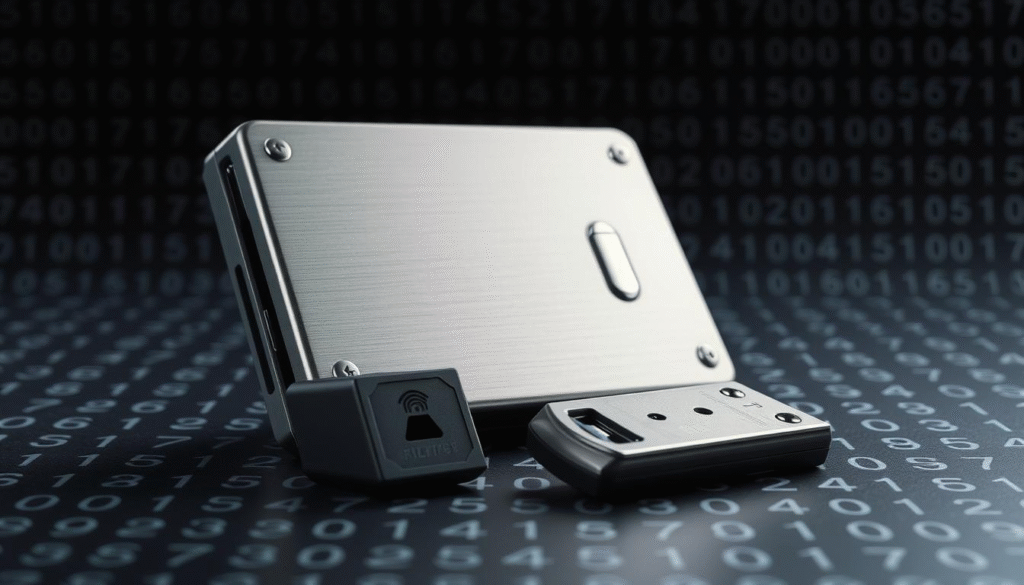
Using hardware wallets and cold storage is a great way to protect your crypto. These devices keep your private keys offline, making it hard for hackers to get to your money. Brands like Ledger and Trezor offer strong security and easy-to-use designs.
| Feature | Ledger | Trezor |
| Security | High | High |
| User Interface | User-friendly | User-friendly |
| Compatibility | Multi-currency | Multi-currency |
Implementing Multi-Factor Authentication
Adding multi-factor authentication (MFA) to your digital wallets and exchange accounts is a must. MFA adds an extra layer of security. It asks for a second form of verification, like a code sent to your phone or a biometric scan, in addition to your password.
Recognizing and Avoiding Crypto Scams
Knowing about crypto scams is essential to keep your assets safe. Scams include phishing, fake investment schemes, and Ponzi schemes. Always check if an investment is real and be wary of unsolicited offers. Staying informed and alert can help you avoid these scams.
- Be cautious of unsolicited investment offers.
- Verify the authenticity of investment opportunities.
- Use reputable exchanges and wallets.
By taking these steps, you can protect your crypto and feel confident in the digital currency world.
Exploring Advanced Blockchain Applications
Blockchain technology is changing how we handle data and transactions. It’s growing and bringing new solutions to many fields.
Blockchain’s big plus is its flexibility. It makes secure, clear, and unchangeable systems for many areas, like finance and supply chains.
Leveraging Smart Contracts for Automated Transactions
Smart contracts are like self-running contracts with code rules. They make automated transactions quicker, safer, and less likely to have mistakes. This helps businesses work better and cut down on middlemen.
Smart contracts boost efficiency in supply chain management and insurance claims. They make sure things happen as planned, without needing someone to do it manually.
Participating in Decentralized Applications (DApps)
DApps run on blockchain networks. They’re open, free, and not controlled by one person. Joining DApps gives users more security and openness.
DApps could change many industries with their decentralized solutions. They’re strong and can’t be easily blocked. They’re good for things like social media and financial services.
Investing in Non-Fungible Tokens (NFTs)
NFTs are special digital items like art, music, or even land. Investing in them is getting popular. It’s a new way for creators to earn money.
NFTs live on blockchain, proving they’re rare and real. This attracts collectors and investors looking for unique digital items. The NFT market is growing fast, with new places to buy and sell them.
Capitalizing on Decentralized Finance (DeFi) Opportunities
The rise of DeFi has opened up new chances for investors and users. It provides a more open and accessible financial system. Decentralized finance uses blockchain technology for transparent, secure, and accessible financial services.
Step-by-Step Guide to Yield Farming
Yield farming is a popular DeFi strategy. It involves lending or staking cryptocurrencies to earn returns. To start, you need to understand the platforms and protocols involved.
Selecting DeFi Platforms
When choosing DeFi platforms for yield farming, look at security, liquidity, and reputation. Uniswap and Compound are well-known and offer many yield farming opportunities.
Optimizing Returns
To get the most from yield farming, diversify your investments and keep up with market trends. Using tools to analyze yield farming can also help increase your returns.
Accessing Decentralized Lending and Borrowing Markets
DeFi lending and borrowing markets let users lend cryptocurrencies to earn interest or borrow assets. Aave and MakerDAO are leaders in this area, with competitive rates and flexible terms.
Assessing and Mitigating DeFi Risks
DeFi offers many chances but also has risks like smart contract vulnerabilities and market volatility. To reduce these risks, do thorough research, diversify, and stay informed about regulations.

Conclusion: Embracing the Future of Digital Finance
Crypto assets are set to be key players in the future of digital finance. The rise of blockchain technology has changed how we do financial transactions. It makes them secure, transparent, and efficient.
In this article, we’ve covered the basics of crypto assets. We’ve also talked about how to get and manage them. Plus, we’ve looked at different ways to invest in this area.
By getting to know crypto assets and keeping up with digital finance news, people can take advantage of new opportunities. This field is growing fast and offers many chances for success.
The future of digital finance looks very promising. Blockchain technology keeps getting better and better. As the industry grows, we can expect even more exciting things from crypto assets.
Sources
For more on crypto market analysis, blockchain tech, and investing in cryptocurrencies, check out these resources.
Visit CoinDesk for the latest news and analysis on the cryptocurrency market.
Explore the Ethereum Developer Documentation to learn about blockchain technology and its uses.
For tips on investing in cryptocurrencies, see Investopedia’s Cryptocurrency Guide.
These sources offer a solid base for grasping the complex world of digital assets and blockchain.
FAQ
What is a crypto asset, and how does it work?
A crypto asset is a digital currency that uses cryptography for security. It’s not controlled by any government or financial institution. These assets work on blockchain technology, a distributed ledger that records transactions across a network of computers.
How do I start investing in crypto assets?
To start investing, first learn about digital currency. Choose a reputable exchange platform and set up a secure digital wallet. Decide which crypto assets you want to invest in. It’s important to research, consider market volatility, and understand your risk tolerance.
What is the difference between a hardware wallet and a cold storage solution?
A hardware wallet is a physical device that stores your private keys and crypto assets offline. This adds an extra layer of security. Cold storage solutions store your assets offline, either on a hardware wallet or on a physical medium like a paper wallet. Both protect against hacking and cyber threats.
What is decentralized finance (DeFi), and how can I participate?
DeFi is a set of financial services and tools built on blockchain technology. It allows for decentralized lending, borrowing, and trading. To participate, use platforms like Uniswap or Compound for yield farming, lending, and borrowing. It’s important to understand the risks and assess the protocols before investing.
How can I avoid crypto scams?
Be cautious of unsolicited investment opportunities and verify the authenticity of exchange platforms and wallets. Never share your private keys or seed phrases. Stay informed about common scam tactics and use reputable sources to educate yourself on crypto security best practices.
What is the role of smart contracts in blockchain technology?
Smart contracts are self-executing contracts with terms written directly into code. They automate transactions and ensure conditions are met before executing the contract. This provides a secure and transparent way to conduct business on the blockchain.
What are non-fungible tokens (NFTs), and how can I invest in them?
NFTs are unique digital assets that represent ownership of a specific item, like art or music. To invest, use marketplaces like OpenSea or Rarible to buy, sell, and trade NFTs. Research the creator, the platform, and the NFT’s value proposition before investing.
How do I manage my crypto portfolio effectively?
To manage your portfolio well, diversify your investments and monitor market trends. Adjust your strategy as needed. Regularly review your portfolio, consider rebalancing, and stay informed about market analysis and news to make informed decisions.