
The latest home comfort innovations were showcased at CES2025. Tech giants like Samsung and Panasonic displayed their newest heating and cooling tech.
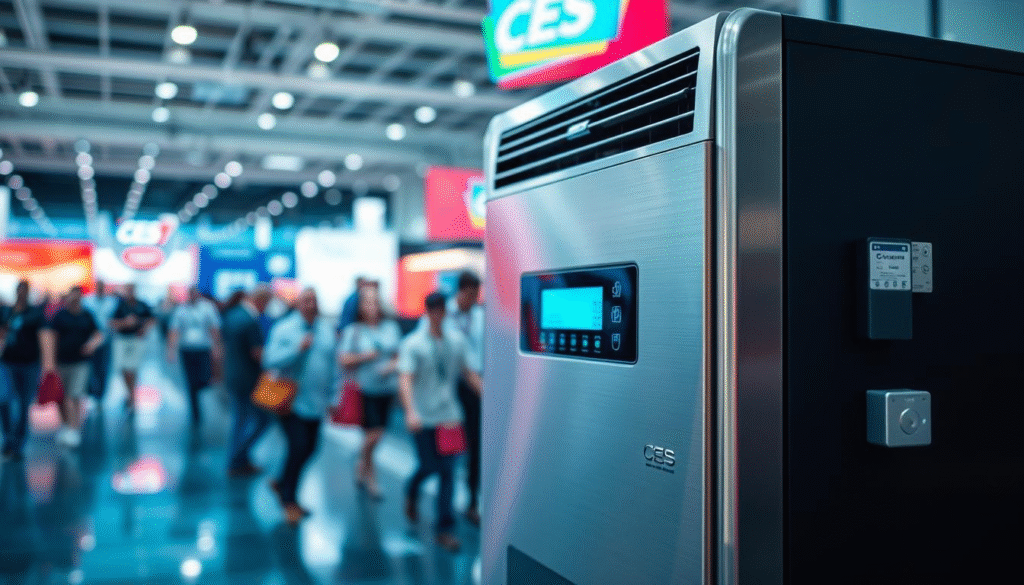
Samsung’s air-to-water heat pump and Panasonic’s Oasys HVAC system were highlights. They offer homeowners advanced ways to control their home’s temperature.
Choosing the right heating and cooling system is key. It keeps your home comfy and cuts down on energy bills.
Key Takeaways
- CES2025 featured innovative heating and cooling technologies.
- Samsung and Panasonic showcased their latest products.
- The right heating and cooling system can reduce energy costs.
- Homeowners can benefit from cutting-edge temperature regulation solutions.
- Energy efficiency is a key consideration when choosing a heating and cooling system.
Understanding Modern HVAC Technology
Modern HVAC systems are changing how we keep our homes warm and cool. These systems are now more advanced, making our homes more comfortable and energy-efficient.
The Evolution of Heating and Cooling Systems
HVAC technology has seen big changes over the years. Old systems have been replaced by smarter, more energy-saving ones. For example, EcoFlow’s AI system at CES 2025 is a big step in saving energy.
Why Energy Efficiency Matters for Home Comfort
Energy efficiency is key for a comfortable home. It affects both our planet and our wallets. The EIA says heating and cooling use the most energy in homes. Efficient HVAC systems use less energy and keep our homes cozy.
| Feature | Traditional HVAC | Modern HVAC |
| Energy Efficiency | Lower | Higher |
| Smart Technology | No | Yes |
| Environmental Impact | Higher | Lower |
Choosing modern, energy-saving HVAC systems makes our homes better and greener. Getting help from HVAC pros is important. They make sure these systems work right, giving us the most benefits.
CES Heating and Cooling: An Overview of Innovative Systems
The CES2025 exhibition showed off new heating and cooling systems that change how we think about home comfort. This year, many new products were introduced that could change the HVAC industry.
Latest Technological Advancements
Samsung’s air-to-water heat pump was a big hit. It works at 100% efficiency, even when it’s cold. This is a big step forward in heating, making it better for colder places.
Smart Home Integration Capabilities
Panasonic’s Oasys HVAC system was also a highlight. It cuts heating and cooling costs by 53%. It also lets you control your system from anywhere, helping you save energy.
Environmental Impact Considerations
These new systems also think about the planet. Many at CES2025 were made to use less energy. This means they help homeowners save money and reduce their carbon footprint.
| Product | Key Feature | Energy Efficiency |
| Samsung Air-to-Water Heat Pump | 100% efficiency in low temperatures | High |
| Panasonic Oasys HVAC System | 53% reduction in heating and cooling costs | Very High |
These new technologies show how fast HVAC is changing. They focus on being better and greener. As things keep getting better, we’ll see even more ways to keep our homes comfortable and eco-friendly.
How to Assess Your Home’s Heating and Cooling Requirements
Figuring out your home’s heating and cooling needs is key to comfort and saving energy. This involves several important steps. These steps help you understand your home’s specific needs and guide your HVAC system choices.
Step1: Measuring Your Space Correctly
To find the right heating or cooling system size, measure your home’s square footage accurately. You need to calculate your home’s total area. This includes counting windows, doors, and the insulation type used.
Step2: Evaluating Your Current Energy Consumption
Looking at your past energy bills can give you insights into your home’s energy use. Check for patterns or spikes in usage. This can help you find ways to use less energy, which might save you money on furnace installation costs.
Step3: Identifying Problem Areas in Your Home
Look around your home for spots where heat might be escaping or entering. Check for air leaks around windows, doors, and ducts. Sealing these gaps can greatly improve your home’s energy efficiency.
| Assessment Step | Description | Benefits |
| Measuring Your Space | Calculate your home’s square footage and consider factors like insulation and windows. | Ensures the right HVAC system size for your home. |
| Evaluating Energy Consumption | Review past energy bills to identify usage patterns. | Helps in choosing an energy-efficient system. |
| Identifying Problem Areas | Inspect for air leaks and poor insulation. | Reduces energy waste and improves comfort. |
Selecting the Right Heating System for Your Needs
It’s important to know the differences between heating systems. Homeowners can pick between heat pumps and furnaces. Each has its own benefits and things to think about.
Comparing Heat Pump Options
Heat pumps, like Samsung’s air-to-water heat pump, are very efficient. They can heat and cool your home. When looking at heat pumps, consider a few things:
Installation Requirements
Heat pumps need a good spot outside and might require extra setup, like a buffer tank for air-to-water systems.
Operating Costs
The cost to run a heat pump depends on local electricity prices and its efficiency. Usually, heat pumps are cheaper than electric heaters.
Evaluating Furnace Choices
Furnaces give reliable heat, great for cold places. When looking at furnaces, think about:
Natural Gas vs. Electric Models
Natural gas furnaces are often cheaper to use, if gas prices are low. Electric furnaces are good for homes without gas access.
Zoning Capabilities
Some furnaces work with zoning systems. This lets you control the temperature in different parts of your home.
| Heating System | Installation Cost | Operating Cost | Zoning Capability |
| Heat Pump | Higher upfront cost | Generally lower | Possible with smart systems |
| Furnace (Natural Gas) | Moderate upfront cost | Can be lower with gas prices | Available with zoning systems |
| Furnace (Electric) | Lower upfront cost | Generally higher | Available with zoning systems |
Regular hvac maintenance is key for your heating system’s life and efficiency. Whether you choose a heat pump or a furnace, proper installation and upkeep are vital. They can greatly affect your energy bills and comfort.
Choosing Effective Cooling Solutions
Choosing the right cooling solution for your home is key for comfort and saving energy. Homeowners have many options to pick from. They must think about what they need and want.
Central Air Conditioning Systems
Central air conditioning systems are a top pick for cooling homes. They spread cool air through ducts, keeping the temperature steady.
Understanding SEER Ratings
The Seasonal Energy Efficiency Ratio (SEER) rating is important for central air systems. A higher SEER means better energy use, which can cut down on bills.
Noise Reduction Features
Today’s central air systems are quieter thanks to new features. These include sound-absorbing materials and special compressors.
Ductless Mini-Split Systems
Ductless mini-split systems are flexible and efficient. They let you cool specific areas, not the whole house.
Installation Process
Installing ductless mini-split systems is easy. You just mount the indoor unit and connect it to the outdoor one, with little disruption.
Multi-Zone Configurations
Ductless mini-split systems can be set up in multi-zone ways. This lets you cool different parts of your home separately, making it more comfortable and efficient.
In conclusion, both central air and ductless mini-split systems are good for cooling homes. Think about energy use, noise, and how easy they are to install. If your cooling system breaks down, having a emergency heating service ready can be a big help, even though it’s mostly for heating. But, the idea of quick service is the same for cooling emergencies too.
Implementing Smart Temperature Control Systems
Smart temperature control systems can make your home more efficient. They use advanced tech like EcoFlow to save energy and boost comfort.
Selecting the Right Smart Thermostat
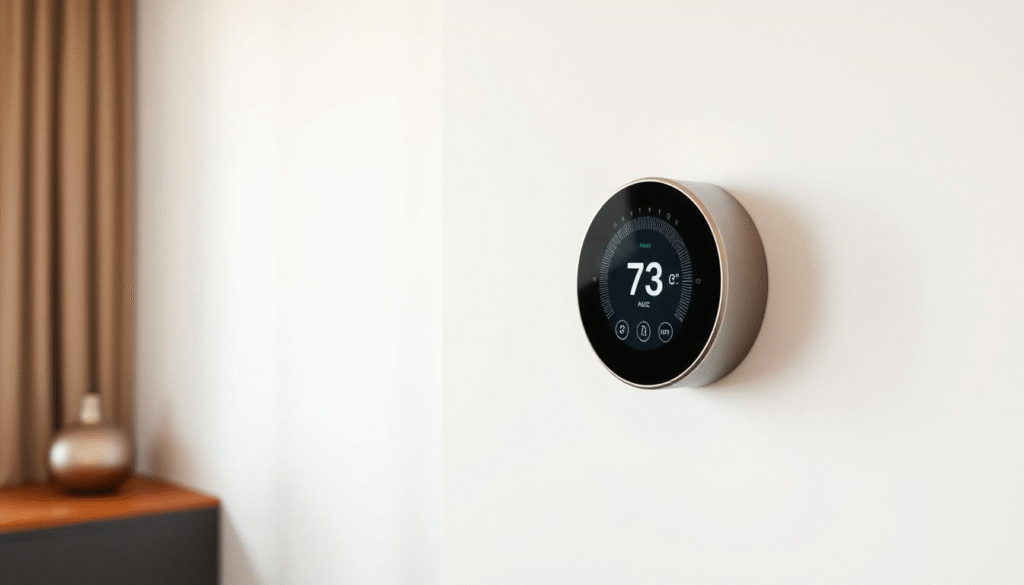
When picking a smart thermostat, think about a few things. Check if it fits with your HVAC system and is easy to use. Also, look for features like geofencing and energy tracking. Make sure it works well with other smart home gadgets.
Setting Up Remote Access and Scheduling
After it’s installed, set up remote access. This lets you control your thermostat from your phone or tablet. Create schedules that match your daily life to save energy. This is great for when you’re not home or getting close.
Configuring Energy Usage Monitoring
To get the best from your smart thermostat, set up energy tracking. This shows how much energy you use. It helps you find ways to use less. Work with reliable cooling technicians to make sure it’s set up right.
By following these steps, you can make your home more comfy and cut down on bills. Smart temperature control systems are a smart choice for any home.
Step-by-Step Guide to Professional HVAC Installation
A successful HVAC installation needs careful planning and teamwork with skilled technicians. Homeowners should prepare their home well, work well with the installation team, and test the system after installation.
Preparing Your Home Before Installation Day
Make sure your home is ready for the technicians before they arrive. Clear the area where the installation will happen. Also, make sure they can get to your electrical panels and remove any obstacles.
Working Effectively with HVAC Technicians
Good communication with your HVAC technicians is key. Share your home’s layout and any info about your heating and cooling needs. This helps them install the system just right for you.
Conducting Post-Installation Testing
After the installation, test your new HVAC system thoroughly. Listen for any odd noises and check if it’s working right. Make sure all controls work as they should.
| Installation Step | Description |
| Pre-Installation | Clear the area, ensure access to electrical panels |
| Installation | Technicians install the new HVAC system |
| Post-Installation | Test the system, check for issues |
How to Maintain Your Heating and Cooling Systems
Keeping your HVAC system in good shape is key. A well-kept system keeps you comfortable, saves on energy costs, and lasts longer.
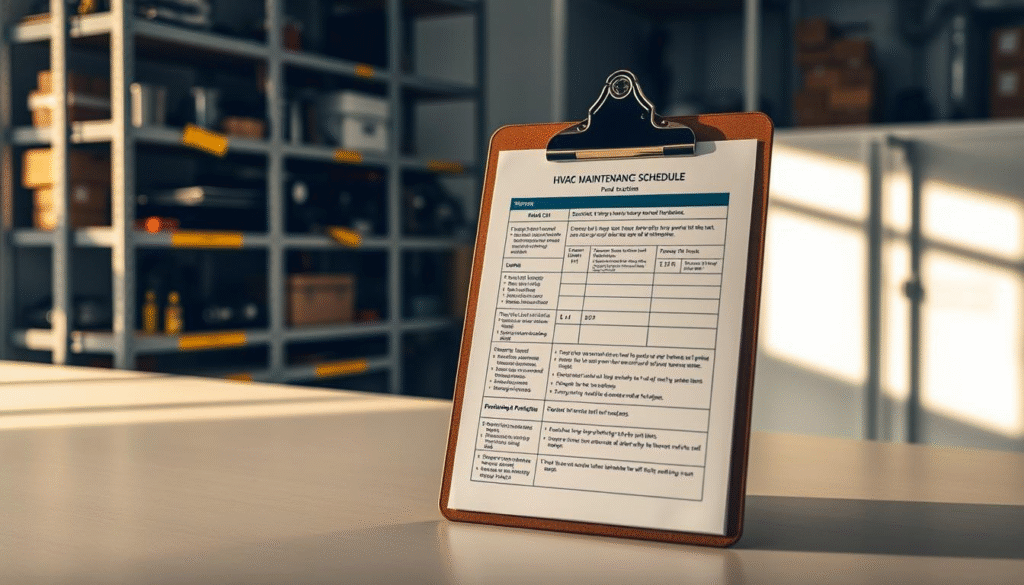
Creating a Seasonal Maintenance Schedule
Make a plan for when to check your HVAC system. Before it gets cold, clean your furnace and check the thermostat. When it’s hot, clean the air conditioner’s coils and look for refrigerant leaks.
Performing Essential DIY Maintenance Tasks
Doing simple tasks yourself can help a lot. Change or clean air filters often to keep air flowing well. Also, clean vents and ducts to stop dust from building up.
Recognizing When to Call Professionals
Some problems need professional HVAC services. If you hear odd noises, your system isn’t working right, or your bills are too high, call experts. They can fix big issues and make sure your system is safe and works well.
Troubleshooting Common HVAC Problems
Fixing HVAC systems can be tough for homeowners. But knowing common problems can make fixing them easier. Keeping your HVAC in good shape helps avoid many issues.
Diagnosing Heating System Issues
Start by checking your thermostat settings. Make sure your system is set for heating. Problems with furnace installation can cause issues like bad venting or the wrong size.
Addressing Cooling System Failures
Cooling system problems often come from leaks, clogged filters, or broken condenser coils. Regular hvac maintenance can spot these problems early.
Interpreting Smart System Error Codes
Smart HVAC systems give error codes to help find problems. Look at your system’s manual to understand these codes. If it’s a small issue, try resetting the system.
| Issue | Possible Cause | Solution |
| Heating System Not Turning On | Thermostat Settings, Power Issues | Check Thermostat, Circuit Breaker |
| Cooling System Not Cooling | Refrigerant Leak, Clogged Filter | Inspect for Leaks, Replace Filter |
By following these steps, homeowners can often fix common HVAC problems themselves. This saves time and money.
Analyzing Costs: Initial Investment vs. Long-Term Savings
Looking at HVAC systems means checking both the start-up costs and the long-term savings. Homeowners need to think about the upfront costs and the energy savings later on.
Calculating Purchase and Installation Expenses
The first cost is the price of the HVAC unit, installation fees, and extra parts needed. For example, a high-efficiency heat pump might cost more at first but save money later. Getting quotes from reliable cooling technicians helps understand the total cost.
Estimating Energy Savings Over Time
Today’s HVAC systems use less energy, which can cut down on utility bills. This means homeowners can save money over time. A system with a high SEER rating, for instance, can lower cooling costs in summer.
Researching Available Rebates and Incentives
Utility companies and government agencies give rebates for energy-efficient HVAC systems. Homeowners should look for these to lower the initial costs. Some programs also help with emergency heating service replacements, which is great for extreme weather.
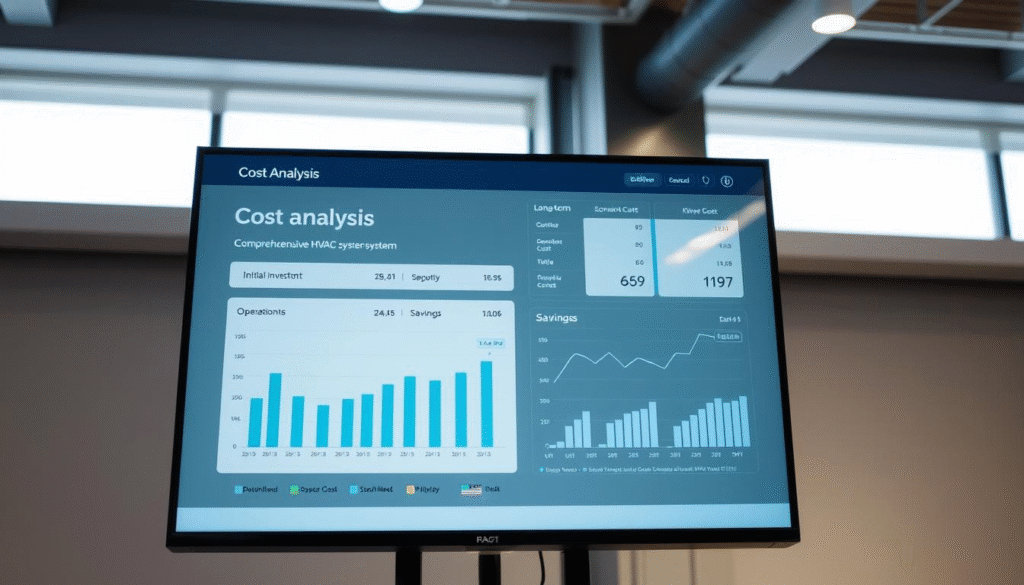
By looking at these points, homeowners can make smart choices about their HVAC systems. They can balance the initial cost with long-term savings and comfort.
How to Handle Emergency Heating and Cooling Situations
Emergency heating and cooling issues need quick action to keep your home safe and comfortable. Whether it’s a sudden breakdown in winter or a heatwave, being ready is essential.
Identifying True HVAC Emergencies
A true HVAC emergency is a serious situation that risks your safety or makes your home very uncomfortable. This includes a system failure during extreme weather or a gas leak. Knowing how serious it is helps fix the problem faster.
Finding Reliable Emergency Service Providers
When an emergency strikes, finding professional HVAC services quickly is vital. Look for companies that offer 24/7 emergency help, have positive reviews, and are certified by HVAC groups.
| Criteria | Reliable Provider | Less Reliable Provider |
| Availability | 24/7 Emergency Service | Limited Hours |
| Certification | Certified by HVAC Organizations | No Certifications |
| Customer Reviews | Positive Reviews | Negative Reviews |
Implementing Temporary Comfort Solutions
While waiting for CES heating and cooling experts, you can take steps to stay comfortable. Using space heaters or fans can help keep your home at a decent temperature.
Conclusion
Choosing the right HVAC system is key to your home’s comfort and energy use. Understanding modern HVAC tech and knowing your heating and cooling needs helps. This way, you can make your home more comfortable and save on energy costs. Good heating and cooling services are vital for this balance.
For air conditioning repair and upkeep, being ahead of the game is smart. It stops emergencies and makes your system last longer. Here’s a quick rundown of what matters most:
| Consideration | Importance |
| Assessing Heating and Cooling Needs | High |
| Choosing the Right HVAC System | High |
| Regular Maintenance | Medium |
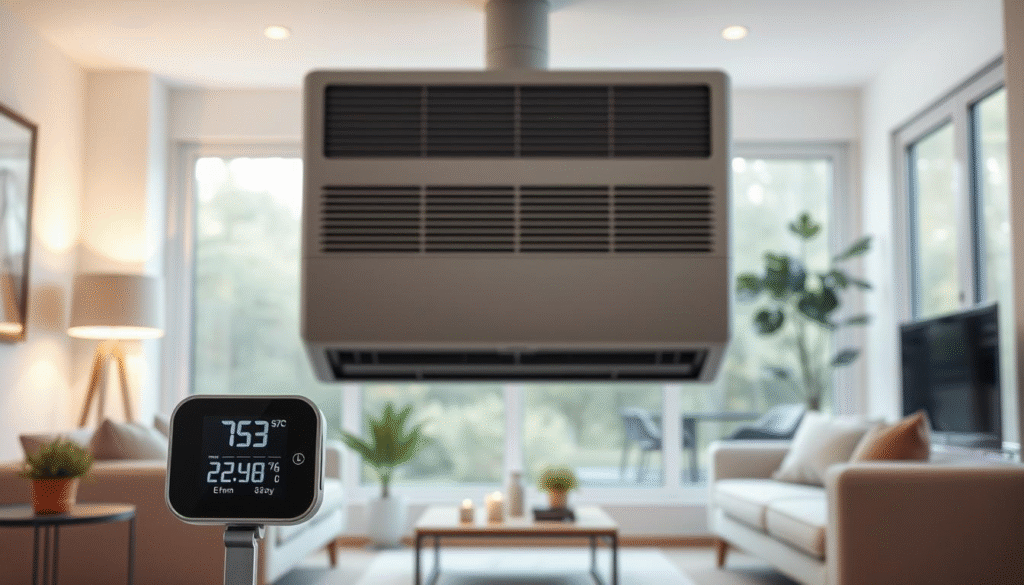
In short, smart choices about your HVAC system are critical for a comfy and energy-smart home. By thinking about the points in this article, you can get a heating and cooling setup that’s both cozy and budget-friendly.
Sources
For more information on the latest CES heating and cooling technologies, explore the following resources:
- CES Official Website
- Energy.gov – Home Cooling Systems
- Consumer Reports – Choosing the Right HVAC System
These sources offer valuable insights into energy-saving gadgets and HVAC system guides. They help you make informed decisions for your home comfort needs.
FAQ
What are the benefits of energy-efficient HVAC systems?
Energy-efficient HVAC systems use less energy. This means lower utility bills for you. They also help the environment by using less energy.These systems keep your home comfortable. They maintain a steady temperature and control humidity.
How do I determine the right size HVAC system for my home?
To find the right size, consider your home’s size, insulation, and climate. A professional can do a load calculation for you.
What is the difference between a heat pump and a furnace?
Heat pumps heat and cool your home. They move heat from outside to inside. Furnaces only heat your home through burning fuel or electricity.Heat pumps are more energy-efficient. But furnaces might be cheaper for very cold areas.
How often should I maintain my HVAC system?
Keeping your HVAC system in good shape is key. You should have it checked twice a year. Once before heating season and once before cooling season.
What are the advantages of smart thermostats?
Smart thermostats let you control your home’s temperature from anywhere. They also learn your preferences and adjust the temperature for you. This saves energy and makes your home more comfortable.
How can I troubleshoot common HVAC problems?
Start by checking your thermostat and power supply. Also, check your air filters. If you’re stuck, look in your user manual or call a pro.
What are the costs associated with HVAC installation?
HVAC installation costs vary. They depend on the system type, size, and complexity. On average, expect to pay between $3,000 to $10,000 or more.
How can I handle an emergency HVAC situation?
If your HVAC system fails or leaks, act fast. Turn off the system and leave the area if needed. Then, call a trusted emergency HVAC service.
Are there any rebates or incentives available for energy-efficient HVAC systems?
Yes, many offer rebates and incentives for energy-efficient systems. Check with your utility company, manufacturers, and government for programs in your area.